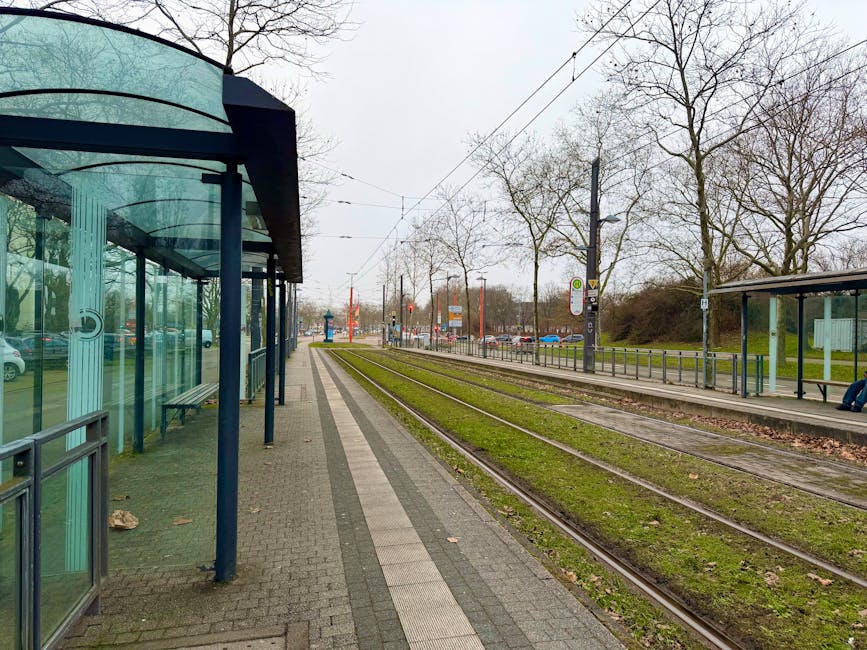
Trusted gardeners near Woodside tram stop: how to find reliable local help for a better garden
If you live or work close to Woodside tram stop, you probably know the feeling: the garden looks fine from a distance, but the hedge is getting shaggy, the lawn is patchy, and the weekend disappears before you've done half of it. Finding Trusted gardeners near Woodside tram stop is not just about getting a tidy border or a quick mow. It's about knowing the work will be done properly, safely, and at a sensible pace, with no nasty surprises half-way through.
This guide breaks down what trusted local gardening support should actually look like, how to compare options without getting lost in sales talk, and which services matter most for homes and small businesses around Woodside. It also covers practical next steps, common mistakes, and the standards you should expect. Not glamorous, perhaps. But genuinely useful.
Table of Contents
- Why Trusted gardeners near Woodside tram stop Matters
- How Trusted gardeners near Woodside tram stop Works
- Key Benefits and Practical Advantages
- Who This Is For and When It Makes Sense
- Step-by-Step Guidance
- Expert Tips for Better Results
- Common Mistakes to Avoid
- Tools, Resources and Recommendations
- Law, Compliance, Standards, or Best Practice
- Options, Methods, or Comparison Table
- Case Study or Real-World Example
- Practical Checklist
- Conclusion
- Frequently Asked Questions
Why Trusted gardeners near Woodside tram stop Matters
Local gardening is one of those services that looks straightforward until it isn't. A quick cut here, a bit of pruning there, and all seems simple. Then you notice the hedge has been trimmed too hard, the lawn has been scalped, or the ivy is creeping back through the fence panel. A trusted gardener helps prevent that sort of slow-burn frustration.
Proximity matters too. When a gardener works near Woodside tram stop, they are usually better placed to offer regular visits, understand local garden conditions, and turn up without a trek across half the county. That sounds basic, but it changes the experience. You get easier scheduling, clearer communication, and often a more realistic feel for what can be done in your garden across the seasons.
There's also trust itself. If you're letting someone into your outdoor space, you want more than a cheerful promise. You want someone who listens properly, explains what they're doing, and treats your property with care. In our experience, that is what separates a decent service from one you recommend to a neighbour without thinking twice.
A good local gardener can support all kinds of needs, from routine garden maintenance to more specialised work such as hedge trimming, lawn mowing, and even more involved tasks like tree surgery. That breadth matters because gardens rarely fail in just one place. Usually it's a combination of things. Bit annoying, truth be told.
How Trusted gardeners near Woodside tram stop Works
Trusted local gardening services usually follow a simple but disciplined pattern. First comes the initial chat or enquiry. A good gardener will ask about the size of the garden, what needs attention, how often work is needed, and whether there are any access issues or safety concerns. If they skip straight to a vague price without asking anything, that's a small warning sign.
Next should come a proper understanding of the work. For example, a lawn that needs improved health is not the same job as a lawn that just needs mowing. Likewise, a hedge that needs a light shape-up is very different from a hedge that has become overgrown and woody. This is where sensible diagnosis matters. The best gardeners don't just "do jobs"; they assess the garden as a living system.
Then comes the plan. For many homes, that means a repeat maintenance schedule, perhaps fortnightly or monthly during growing season, with seasonal adjustments. For larger or more demanding gardens, it may include landscaping improvements, edging, planting, clearing, or hardscape work. If you are thinking beyond maintenance, a landscaping service can help reshape the space into something easier to live with day to day.
After that, the work itself should be tidy, safe, and consistent. Tools should be appropriate to the task, waste should be handled sensibly, and the garden should look better, not just shorter. There's a difference between "done" and "done properly", and you can usually feel it within the first visit.
Key Benefits and Practical Advantages
Choosing trusted gardeners near Woodside tram stop brings more than a neat border. The benefits are practical, emotional, and financial in a very ordinary kind of way.
- Better consistency: regular care prevents the garden from swinging between neglect and emergency rescue mode.
- Less stress: you stop carrying the whole job in your head every time you glance at the back door.
- Healthier plants and grass: steady maintenance usually supports better growth than occasional big clear-outs.
- Safer outdoor spaces: reduced trip hazards, clearer paths, and better-managed trees and shrubs.
- Better kerb appeal: whether you're at home or managing a rental, the garden becomes an asset again.
- More usable space: trimming back, reshaping, or adding structure can make a small garden feel much bigger.
There's also the practical benefit of specialist support when needed. Not every gardener does every task equally well. Some are brilliant on lawns. Some excel at pruning, border care, or soft landscaping. Others are especially helpful with larger structural changes such as fencing or decking services. A trusted provider should be clear about strengths rather than pretending to be perfect at everything.
If your outdoor space is constantly trying to get the better of you, regular professional help can also prevent the classic "I'll deal with it next weekend" cycle. We've all been there. Next weekend, of course, arrives with rain and family plans. Funny how that works.
Who This Is For and When It Makes Sense
This kind of local gardening help is useful for a surprisingly wide range of people. It is not just for large houses with mature borders. Far from it.
It makes sense if you are:
- a homeowner who wants a tidy, manageable garden without giving up your Saturdays;
- a tenant or landlord who needs outdoor areas kept presentable;
- an older resident who wants reliable help with heavier tasks;
- a busy family with a garden that never seems to stay under control;
- a small business or property manager needing a clean, welcoming frontage;
- someone preparing to sell and wanting the garden to look cared for;
- a keen gardener who needs support with the tough jobs only.
It also makes sense when the garden has become too variable to manage alone. For example, if the lawn is thin and mossy, the hedges are out of proportion, and one corner is filled with self-set growth, a proper visit from a local gardener may save you time and reduce future repair costs. If the garden just needs a reset, general gardening services can help bring it back to a sensible baseline before you decide on anything bigger.
And yes, sometimes the right moment is simply "before it gets worse." That is not dramatic. It is good judgement.
Step-by-Step Guidance
If you want to choose well, keep the process straightforward. No need to overcomplicate it. Here's a practical way to go about it.
- List the actual jobs. Write down what needs doing now and what can wait. Be specific: hedge trimming, lawn repair, clearance, pruning, planting, pressure-free tidy-up, and so on.
- Separate routine work from one-off work. A one-off garden rescue is not the same as regular maintenance, and the pricing or scope should reflect that.
- Check whether the gardener covers the type of work you need. For example, a garden may need recurring care plus one-off lawn care, or it may need expert pruning followed by ongoing upkeep.
- Ask how they approach safety and waste. Tree cuttings, heavy branches, and general green waste all need sensible handling.
- Discuss timing and access. Will they need side access? Are there pets? Do you need morning visits because of neighbours or work schedules?
- Request a clear scope. A tidy quote or written breakdown helps avoid misunderstandings later. It does not need to be fancy.
- Review the first visit carefully. Did they turn up when expected? Did they work neatly? Did they leave the site clean?
If the garden involves more persistent issues like overgrown climbers or intrusive plants, it may help to pair routine work with targeted advice from a gardener who understands plant behaviour, not just trimming. That is where experience saves time. Sometimes a bit of knowledge makes the difference between control and endless regrowth.
Expert Tips for Better Results
Good gardeners do a few things consistently well. You can use that as a benchmark when deciding who to hire near Woodside tram stop.
1. Start with maintenance, then improve. It is often smarter to stabilise the garden first and make upgrades later. This is especially true if the space is cluttered or overgrown. A stable base makes every other improvement easier.
2. Match the service to the season. Spring is not the same as late autumn. Growth patterns shift, lawns behave differently, and pruning timing matters. A gardener who understands seasonality is usually worth listening to. Their advice may not be flashy, but it works.
3. Don't ignore the "boring" jobs. Weeds, edging, and debris clearance are not exciting. But they quietly change how the whole garden feels. Small details can lift a space more than a major dramatic feature.
4. Think about long-term structure. The best gardens are not just neat; they are easy to maintain. Things like planting choices, hedge lines, and seating areas should suit your routine, not fight it. For a bit of inspiration, some readers like exploring ideas such as privacy hedges or ground cover planting.
5. Be honest about your own appetite for upkeep. If you are not going to maintain a feature, choose one that can tolerate a less-fussy routine. That's not giving up. That's design with real life in mind.
Expert summary: The most trustworthy gardener is not the one who says yes to everything. It's the one who explains what your garden actually needs, what can wait, and what should be done carefully rather than quickly.
Common Mistakes to Avoid
People often make the same few mistakes when hiring garden help. Easy to do. Easy to avoid once you know what to look for.
- Choosing purely on price: cheapest rarely means best value when hedge shape, lawn health, or safety are involved.
- Being vague about the job: "tidy the garden" can mean ten different things. Be clear.
- Ignoring specialist tasks: some jobs, especially taller hedge work or trees, may need more than a general tidy-up.
- Assuming all gardens need the same treatment: shaded plots, small courtyards, and family gardens have different needs.
- Forgetting about ongoing upkeep: one good visit is helpful, but maintenance is what keeps the result.
- Not asking about waste removal: the garden may look great until the pile of cuttings is left behind.
A lot of disappointment comes from poor expectation-setting, not poor gardening. If you say exactly what matters to you, the whole process becomes much easier. And if a gardener doesn't ask sensible follow-up questions? Hmm. That's worth noticing.
Tools, Resources and Recommendations
For homeowners who want to stay involved between visits, a small set of tools can make a big difference. You do not need a shed full of equipment to keep a garden healthy. A few reliable basics usually do the job.
- sharp secateurs for light pruning and deadheading;
- lawn edging tools for cleaner borders;
- a sturdy rake for leaves and moss;
- gloves that actually fit, which sounds trivial until you've worn the wrong pair;
- a hose or watering can that reaches the right areas without dragging everywhere;
- a decent bucket or bag system for small clear-ups;
- basic hand tools for planting and weeding.
For garden improvements, useful reference points include advice on essential gardening tools, weed control basics, and sustainable handling of organic waste. Those pages are helpful if you want to understand why certain tasks matter, not just how to tidy them.
If you are deciding what level of help to request, think in layers: regular mowing, seasonal pruning, hedge shaping, border restoration, and larger improvements. Not every visit needs to cover everything. In fact, trying to do it all at once can make the work less effective. Slow and sensible often wins.
Law, Compliance, Standards, or Best Practice
Garden work is not always heavily regulated in the way some trades are, but good practice still matters. Safety, neighbour consideration, and responsible waste handling are the big themes.
For example, larger tree work should be approached carefully. A gardener should know when a task is beyond a light trim and may require more specialised attention. If branches are close to property, pathways, or overhead spaces, the right approach is cautious, not rushed. Tree-related work can carry risk, so sensible practice matters more than bravado.
Noise, access, and debris also matter in a local setting like Woodside. Early starts, blocked pavements, and awkward waste piles can sour a job very quickly. A trustworthy gardener works neatly and keeps disruption low. That's not just good manners; it is good business.
There is also the simple matter of disposal. Green waste should be dealt with properly and not dumped in a corner or left for someone else to sort out. If a provider offers clear collection or tidy removal, that is usually a strong sign they are organised. And if anything about a job feels unsafe, the correct move is to stop and reassess, not push through and hope for the best.
Options, Methods, or Comparison Table
Not every outdoor job calls for the same level of service. Here is a simple comparison to help you choose the right approach.
| Option | Best for | Strengths | Watch out for |
|---|---|---|---|
| One-off tidy-up | Overgrown or neglected gardens | Fast improvement, useful reset | Needs follow-up to stay neat |
| Regular maintenance | Homes that want steady control | Consistent appearance, less stress | Requires clear scheduling |
| Specialist service | Hedges, lawns, trees, or redesign work | More precise results | May involve higher complexity |
| Full garden improvement | Spaces needing a bigger refresh | Can transform usability and look | Needs planning and a realistic budget |
If you are not sure which route to take, start with maintenance and identify any specialist needs after the first visit. That avoids overbuying services you may not need. A practical approach, really.
Case Study or Real-World Example
Picture a typical garden close to Woodside tram stop: a medium-sized back garden, a long hedge along one boundary, and a lawn that has started to thin near the patio. The owner wants the space to feel calmer and easier to use, but doesn't want a full redesign.
The first step is a tidy-up visit. The hedge is lightly reshaped rather than brutally cut back, the lawn is mown at a healthy height, edges are cleaned, and weeds are removed from the borders. A few awkward stems are pruned, and the old clutter near the shed is cleared away. Nothing dramatic. But the garden already feels more breathable.
Then the gardener recommends a short programme of follow-up visits, along with some simple lawn attention and a plan for the hedge over the next season. The owner also considers a small improvement to the boundary area and looks at hedge shaping ideas for a cleaner look.
The result is not a "show garden," and that is not the point. It becomes manageable. Usable. Pleasant in the morning, even on one of those grey London days when the light is flat and the path still glistens from early rain. That's the real win.
Practical Checklist
Use this quick checklist before booking a gardener near Woodside tram stop:
- Have I written down the exact jobs I need done?
- Do I need a one-off visit, regular maintenance, or both?
- Have I checked whether the work includes hedges, lawns, trees, fencing, or landscaping?
- Do I understand what will happen with cuttings and waste?
- Have I explained access, pets, parking, and timing constraints?
- Did the provider give a clear scope of work?
- Do I feel comfortable with how they communicated?
- Does the plan fit my budget and the way I actually use the garden?
If you tick most of those boxes, you are already ahead of the game.
Get a free quote today and see how much you can save.
Conclusion
Finding trusted gardeners near Woodside tram stop is really about finding steady hands, clear communication, and a service that matches the reality of your garden. Not every space needs a full transformation. Some just need a thoughtful reset, a regular rhythm, and a gardener who notices the details before they turn into bigger jobs.
The best choice is usually the one that feels sensible, local, and straightforward. The one that answers your questions properly. The one that leaves you looking at the garden a week later and thinking, yes, that is better. Much better, actually.
If that sounds like the kind of help you want, take the next step and speak to a local team who understands both the work and the area. A calmer garden has a funny way of making everything else feel a bit lighter.
Frequently Asked Questions
What should I look for in trusted gardeners near Woodside tram stop?
Look for clear communication, sensible questions about the job, local reliability, and a practical approach to maintenance, safety, and waste removal. Good gardeners explain what they will do and why.
Do I need regular garden maintenance or just a one-off tidy-up?
If the garden tends to stay under control with a bit of help, a one-off visit may be enough. If growth keeps returning quickly, regular maintenance is usually better value and less stressful.
Can a local gardener help with lawns and hedges as well as general tidy work?
Yes. Many local gardeners cover a mix of tasks, including lawn mowing, hedge trimming, weeding, pruning, and seasonal clear-ups. Always confirm the exact scope first.
Is it worth booking lawn care separately from mowing?
Often, yes. Mowing keeps things tidy, but lawn care focuses more on health, thickness, drainage, and recovery. If your grass is patchy or tired, the two services serve different purposes.
How often should garden maintenance happen?
It depends on the garden size, planting, and season. Some gardens need fortnightly attention during peak growth, while others are fine with monthly or seasonal visits. A good gardener will recommend what fits your space.
What if my hedge or tree has become very overgrown?
That is usually a sign to ask for more specialised help. Overgrown hedges may need careful reshaping, and tree work should be handled cautiously. If needed, a provider offering tree surgery can assess the safest route.
Will the gardener take away all the green waste?
Not always by default, so ask. Some services include waste removal, while others leave it as an optional extra or expect you to arrange disposal yourself.
How do I compare two gardening quotes fairly?
Compare the scope of work, not just the headline price. Check what is included, how often visits will happen, whether waste is removed, and whether any specialist tasks are covered.
Are landscaping services useful for small gardens too?
Absolutely. Even a compact garden can benefit from better layout, more usable paths, improved planting, or smarter boundaries. Small spaces often benefit the most from thoughtful planning.
What should I ask before booking a gardener near Woodside?
Ask what services they cover, how they handle waste, how they price repeat visits, whether they have experience with your type of garden, and when they can start. Simple questions, but they tell you a lot.
Can a gardener help make my garden easier to maintain long term?
Yes. Good gardeners do more than tidy. They can suggest lower-maintenance planting, better hedge lines, lawn improvements, and practical changes that reduce ongoing work. That is where the value often really shows.
How do I know if a gardener is genuinely local?
A genuinely local gardener should understand the area, respond reasonably quickly, and be able to work around local access or scheduling needs. Being local is not just about postcode; it is also about reliability and familiarity.
What is the next step if I want help soon?
Make a short list of what needs doing, choose the service type that fits best, and contact a trusted local provider to discuss the job. A clear brief makes the whole process smoother from the start.