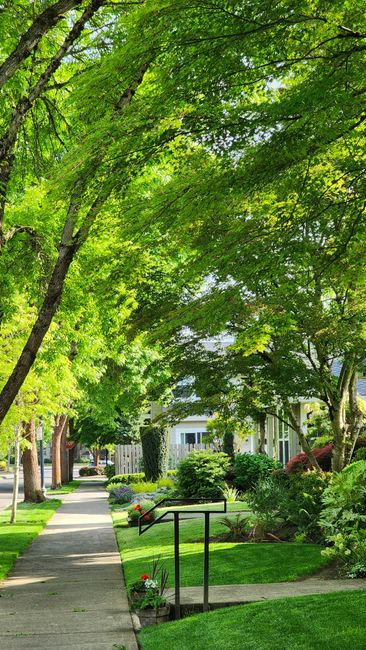
Gardeners serving Woodside Green and nearby streets: practical local help for healthier, tidier gardens
If you live around Woodside Green, you probably know the feeling: one week the garden looks fine, then a bit of rain, a bit of shade, and suddenly the hedge is pushing out, the lawn is patchy, and weeds are acting like they own the place. That is exactly where Gardeners serving Woodside Green and nearby streets make life easier. They bring local know-how, regular maintenance, and the sort of hands-on care that keeps outdoor spaces looking usable rather than merely "not too bad".
In a compact local area, gardens often have their own quirks. One driveway edge gets more moss than sunlight. A back boundary grows faster than you expected. A front garden needs to look neat without becoming sterile. This guide walks through what local gardening support actually involves, how it works, what to expect, and how to choose the right help for your space.
Why Gardeners serving Woodside Green and nearby streets Matters
Local gardening support matters because gardens are not generic. A shady terrace, a narrow front strip, a family back garden, and a more established plot all need different routines. Around Woodside Green and the nearby streets, you often see a mix of mature planting, boundary hedging, and smaller spaces that need a careful hand rather than a one-size-fits-all approach.
That local detail affects everything. Soil conditions vary. Light levels vary. Access can be awkward. Even waste removal and parking can influence how efficiently a job gets done. A gardener who understands the area can plan around those realities instead of treating each visit like guesswork. That sounds small, but it saves a lot of frustration.
It also matters for visual consistency. If your front garden faces the street, even a modest tidy-up can improve the whole look of the property. If your rear garden is a private retreat, the right maintenance helps it feel calm, usable, and less overrun. Truth be told, most gardens do not need dramatic intervention. They need steady, sensible care.
For broader support, many homeowners look at local gardening services in Woodside as a starting point, then choose targeted help for the tasks that matter most that month.
How Gardeners serving Woodside Green and nearby streets Works
In practical terms, the service usually starts with a conversation about the garden's current condition and what you want it to become. Some people need a one-off rescue job after months of growth. Others want regular maintenance so the garden never slips into chaos again. Both are valid. Different needs, different rhythms.
A typical visit might begin with a quick visual assessment: lawn condition, hedge growth, borders, weeds, access, waste volume, and any safety issues. From there, the work is prioritised. If a hedge is blocking light or spilling into a pavement edge, that may come first. If the lawn needs mowing but is too wet, a sensible gardener will explain why timing matters instead of just cracking on.
The actual tasks can include mowing, edging, pruning, planting, weed control, shrub shaping, leaf clearance, and general tidy-ups. More specialist jobs may be scheduled separately. For example, if a boundary hedge needs reshaping, hedge trimming support is often the better fit. If overgrown trees are involved, it may be more appropriate to look at tree surgery help.
And yes, the timing matters quite a bit. Some jobs are best tackled before the growing season gets ahead of you. Others are better left until conditions are right, especially where heavy pruning or lawn recovery is involved. Gardening is not a race. It is more like keeping a rhythm, which sounds a bit poetic for turf and twigs, but it is true.
Key Benefits and Practical Advantages
One of the clearest advantages of using local gardeners is consistency. A garden that gets regular attention usually needs less drastic work later. That means fewer emergencies, less overgrowth, and less of that sinking feeling when you open the back door and realise the border has become a small wilderness.
Another benefit is better plant health. Regular pruning, weeding, feeding, and observation can help plants grow in a more balanced way. A good gardener does not just cut things back. They notice what is struggling, what is thriving, and what needs a little correction before it becomes a bigger issue.
There is also the practical side: saved time, reduced physical strain, and less risk of doing damage through rushed DIY work. Hedge cutting with the wrong timing, poor lawn treatment, or inappropriate pruning can create more problems than it solves. That is where experience earns its keep.
Here are the advantages many Woodside Green households value most:
- Cleaner, safer access paths and frontages
- Healthier lawns and better root recovery
- More attractive boundaries and tidy sightlines
- Less weed pressure in borders and paving joints
- Better seasonal planning for planting and maintenance
- Improved garden enjoyment without the weekend panic
When the work is bigger than a simple tidy-up, other services can help bring everything into line, such as garden maintenance, lawn mowing, and lawn care.
Who This Is For and When It Makes Sense
This kind of local gardening support suits a lot of people. Homeowners with busy work schedules. Families who want a safe garden for children. Older residents who prefer not to manage heavy lifting. Landlords who need outdoor areas to stay presentable between tenancies. Even keen gardeners sometimes call in help when the season gets too demanding.
It makes particular sense if you are noticing any of the following:
- The garden looks worse every fortnight, even with some DIY effort
- The hedge is getting too tall or too wide for practical trimming
- The lawn is thinning, patching, or full of weeds
- Garden waste is becoming awkward to handle
- You want to upgrade the space rather than just keep it under control
- You have been putting off a job because it feels a bit too much
That last one is common. No judgement. Many people do not mind gardening in principle, they just do not have the time, tools, or confidence to start. A decent local gardener is often less about "outsourcing everything" and more about getting the right help at the right moment.
For people thinking beyond maintenance, it can also make sense to explore landscaping services or practical additions like fencing and decking services if the aim is to improve how the space works as well as how it looks.
Step-by-Step Guidance
If you are approaching local garden work for the first time, a simple process helps. The aim is to avoid random jobs and get a plan that actually sticks.
- Walk the garden slowly. Look at the obvious issues first: overgrowth, patchy areas, drainage, weeds, broken edges, dead material, or anything unsafe.
- Decide what matters most. Is it appearance, safety, usability, plant health, or all four? If you try to solve everything at once, you may end up doing a half-job on everything.
- Separate routine work from specialist work. Routine work might be mowing or border tidying. Specialist work might involve a large hedge, a tree, or structural changes.
- Choose the right seasonal timing. Some tasks are better done before growth accelerates. Others are better left until weather and soil conditions improve.
- Ask for a clear scope. Make sure the work list is specific. "Tidy the garden" is fine as a starting point, but a proper plan is better.
- Agree on waste handling. Green waste can pile up fast. Clarify what will be removed and what will be left for composting or future use.
- Review the result after the first visit. The first job often sets the standard for ongoing maintenance. A quick review helps refine the next one.
A practical example: if the back garden is full of weeds, the hedge is blotting out light, and the lawn has gone tired at the edges, it may be better to combine weed control, hedge reshaping, and lawn recovery over two visits instead of forcing it all into one afternoon. Much calmer. Better result too.
Expert Tips for Better Results
One of the best habits is to maintain before you need to rescue. That means little and often rather than waiting for everything to become a project. In our experience, gardens that get light, regular attention are easier to improve and cheaper to keep in shape. Simple, but not always easy.
Here are a few practical tips that make a real difference:
- Keep hedges within a manageable width. The wider they get, the harder they are to maintain and the more light they steal.
- Do not overcut a tired lawn. If turf is stressed, trim lightly and support recovery rather than scalping it.
- Use the right plants for the space. A shaded garden will not behave like a sunny one. That is just how it goes.
- Plan for future access. Leave enough room for bins, paths, gates, and maintenance tools.
- Think in layers. Ground cover, shrubs, and vertical features can create interest without making the garden feel crowded.
- Be honest about your maintenance level. If you do not want high-input planting, choose lower-maintenance schemes from the start.
For more design-minded improvements, the article on vertical gardening is a useful companion read, especially if you are working with a smaller plot or want to soften a blank wall.
And if wildlife, children, or pets are part of the picture, you may want to think carefully about planting choices, access, and safe surfaces. A neat garden is good. A garden that fits real life is better.
Common Mistakes to Avoid
The most common mistake is waiting too long. Gardens rarely improve by accident. Once growth gets away from you, the job becomes heavier and less enjoyable. Not impossible, just heavier. And messier. Usually both.
Another mistake is treating every plant the same. A hedge, a shrub, a climber, and a lawn all respond differently to pruning and seasonal care. Heavy-handed cutting can leave bare patches or weak regrowth, which then takes time to correct.
Other things to avoid:
- Cutting back too much in one go because you want an instant reset
- Ignoring drainage issues and blaming every problem on weeds
- Using poor timing for lawn treatment or pruning
- Leaving debris in borders where it can suppress healthy growth
- Choosing decorative features before sorting the basics
- Assuming a garden is "fine" because it looks okay from the kitchen window
That last one catches a lot of people out, to be fair. Once you walk the space properly, you notice the detail: a sagging edge, a hidden tangle, a wet patch near the fence, or a climber taking liberties. Small issues become obvious when someone actually looks.
If ivy has become a problem, it can be worth reading the ivy removal guide before letting it keep spreading along walls or fences.
Tools, Resources and Recommendations
You do not need a van full of kit to keep a garden in decent condition, but a few tools make the work far easier. A sharp pair of secateurs, a sturdy rake, a reliable mower, edging tools, gloves, and basic waste bags cover a surprising amount of ground. Beyond that, the right tool depends on the task.
Useful resources and ideas include:
- Seasonal planting notes to help you time work properly
- Border labels or a simple garden plan so you remember what is where
- Compost space if you want to recycle green waste usefully
- Replacement plants or ground cover for problem areas
- Regular maintenance visits if you prefer not to let tasks stack up
For a broader understanding of practical gardening habits, the article on essential gardening tools is a handy read. If your garden is mainly about making daily life easier, budget-friendly simplification ideas may also give you a few smart shortcuts.
And if your borders feel empty or difficult to maintain, some ground cover can reduce effort while improving the look. There is a useful guide on ground cover plants for UK gardens that covers this nicely.
Law, Compliance, Standards, or Best Practice
For everyday domestic gardening, the main concern is less about formal paperwork and more about safe, responsible practice. Still, there are some common-sense points worth keeping in mind. Waste should be handled properly. Work near boundaries, shared access routes, or pavement edges should be managed carefully. And any potentially risky work, especially around trees or higher hedges, should be approached with the right equipment and judgement.
If work involves ladders, power tools, heavy branches, or awkward access, caution matters. A cautious gardener is usually a good gardener. Not flashy. Just careful. That is a feature, not a flaw.
Best practice also includes respecting neighbours where relevant: avoiding unnecessary disturbance, managing debris, and keeping growth from spilling into shared space. If a job touches a boundary fence, shared wall, or overhanging tree, it is wise to confirm ownership or responsibility before making changes. That is not legal advice, just plain sensible planning.
For larger tree-related jobs, it is usually better to use a specialist approach rather than guessing. If the tree is sizeable or close to a structure, consider whether tree surgery support is the right option instead of routine pruning.
Options, Methods, or Comparison Table
Different gardens need different levels of input. The right choice depends on time, budget, condition, and how hands-on you want to be. Here is a simple comparison to make that clearer.
| Approach | Best for | Strengths | Trade-offs |
|---|---|---|---|
| DIY maintenance | Small, simple gardens and confident owners | Low cost, flexible timing, personal control | Easy to delay, equipment needed, can become tiring |
| Regular local gardener | Busy households and moderate-sized gardens | Consistency, healthier growth, less stress | Needs scheduling and an ongoing budget |
| One-off tidy-up | Overgrown or neglected spaces | Fast visual improvement, good reset point | Not enough on its own for long-term control |
| Specialist improvement work | Boundaries, lawns, hard landscaping, or mature trees | More precise results, better for difficult jobs | May need separate planning or phased delivery |
If your garden needs more than routine care, a mixed approach is often the smartest. For example, maintain the lawn regularly, trim hedges seasonally, and bring in landscaping only when you are ready to change the layout. That tends to work better than trying to rebuild everything at once.
Case Study or Real-World Example
Here is a realistic scenario. A small family on a nearby street notices their back garden has become difficult to use. The lawn is uneven, weeds are spreading into the border, and a hedge at the back is throwing shade across most of the seating area. Nothing dramatic, but enough to make the space feel smaller every month.
The first visit focuses on clearing the worst growth, defining the edges, and restoring a usable lawn shape. The hedge is reduced to a manageable height, the borders are tidied, and a few tired plants are replaced with easier-care options. On a second visit, the gardener helps plan a better flow for the space, maybe with a small seating area, a sharper path line, and lower-maintenance planting near the boundary.
The result is not a magazine garden. That is the point. It is a garden that gets used. The children can play on it, the adults can sit out with a cup of tea, and the whole thing feels easier to live with. Better still, it stays easier to look after. A good improvement job should do both.
For people wanting to create a calmer outdoor feel, the article on zen-inspired outdoor spaces is worth a look, especially if your goal is less clutter and more breathing room.
Practical Checklist
Use this checklist before booking work or starting a garden refresh.
- Walk the garden in daylight and note the main problem areas
- Decide whether you need routine care, a tidy-up, or a bigger improvement plan
- Check if hedges, trees, or fencing need specialist attention
- Confirm where waste will go and how much is likely to be produced
- Think about lawn condition before mowing or feeding
- Identify shaded, wet, or awkward corners that need the right planting
- Decide whether you want low-maintenance results or a more ornamental finish
- Check access for tools, bins, and any larger equipment
- Make a note of any safety concerns, damaged edges, or unstable features
- Choose a plan that you can realistically maintain afterward
Quick expert summary: the best garden results usually come from steady maintenance, sensible timing, and realistic choices. You do not need to transform everything in one go. In fact, it is often better if you do not.
When you are ready to take the next step, speak to the team through the contact page and outline the garden's current condition, not just the end goal. That usually leads to better advice.
Get a free quote today and see how much you can save.
Conclusion
Gardeners serving Woodside Green and nearby streets are most valuable when they do more than tidy a space. They help you understand what the garden needs now, what it will need next season, and what can be improved without creating extra work later. That is the real win: a garden that feels manageable, attractive, and properly lived in.
Whether you need a simple mow, regular care, hedge trimming, lawn recovery, or a bigger reset, the smartest move is to start with the actual condition of the garden and work from there. Not the dream version. The real one. That is the one you can improve.
And honestly, there is something satisfying about that first clean edge, that first properly shaped hedge, that first stretch of lawn that finally looks like it belongs again. Small change, big lift.
Frequently Asked Questions
What do Gardeners serving Woodside Green and nearby streets usually do?
They typically handle regular garden maintenance such as mowing, weeding, hedge cutting, pruning, border tidying, planting, and general outdoor upkeep. Some also help with larger improvement work.
How often should a garden near Woodside Green be maintained?
It depends on the garden's size, planting, and how quickly it grows, but many spaces benefit from regular attention rather than waiting for problems to build up. A little and often usually works best.
Can local gardeners help if my garden is badly overgrown?
Yes. A one-off tidy-up can reset an overgrown garden and make it manageable again. After that, regular visits are often the easiest way to keep it under control.
Is hedge trimming different from general garden maintenance?
Yes. Hedge trimming is a more specific task focused on shaping, reducing, and managing boundary growth, while general maintenance covers the wider garden. For hedges, specialist support is usually the better fit.
What if I only need lawn help?
That is common. You can focus just on mowing or broader lawn care if the rest of the garden is already in decent shape. It is often the quickest way to improve the appearance of a property.
Do I need landscaping, or just routine gardening?
If your issue is mainly tidiness, routine gardening may be enough. If you want to change the layout, improve access, add features, or solve a long-term design problem, landscaping is more appropriate.
What should I prepare before a gardener visits?
It helps to clear access paths, identify problem areas, and decide what matters most. If you have any preferences about waste removal, planting, or finish style, mention those early.
Can gardeners help with garden design as well as maintenance?
Often, yes. Many gardens benefit from a practical design rethink after the basics are sorted. Small changes to borders, paths, or planting structure can make a big difference.
What are the biggest mistakes homeowners make with garden care?
The biggest ones are leaving work too long, cutting too much at once, and treating every part of the garden the same. Timing and technique matter more than people think.
Is it worth getting regular garden maintenance rather than one-off jobs?
Usually, yes, if you want the garden to stay tidy and healthy without constant catch-up work. Regular maintenance is often more efficient than repeated rescue jobs.
Can I combine gardening, fencing, and decking improvements?
Yes, and that can be a sensible way to improve the overall outdoor space. If the structure and the planting both need attention, a joined-up plan often gives the best result.
How do I choose the right service for my garden?
Start with the main problem. If it is growth and tidiness, choose gardening or maintenance. If it is lawn condition, choose lawn care or mowing. If it involves a boundary or a tree, look at the more specific service first.