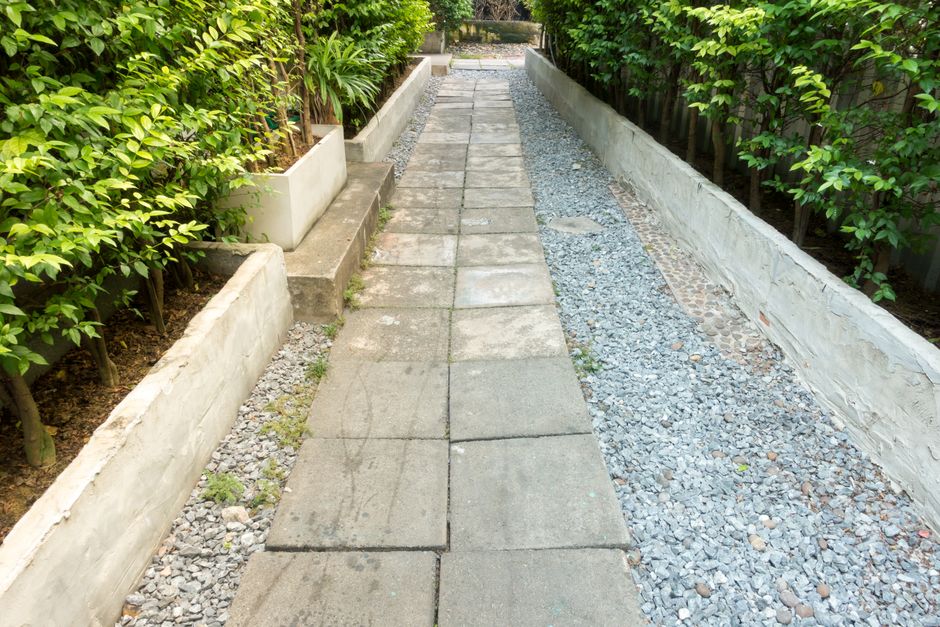
Access issues for Woodside gardeners: narrow garden access and practical solutions
If you have ever tried to move a mower, bags of soil, or a pile of cuttings through a side passage that feels barely wide enough for one person, you already understand the problem. Access issues for Woodside gardeners narrow garden access can turn a simple tidy-up into a careful planning job. It affects how work is priced, what equipment can be used, how long the visit takes, and even what kind of finish is realistic on the day.
That does not mean your garden is "too difficult". Far from it. It just means the job needs the right approach from the start. In this guide, we will look at what narrow access really changes, how professional gardeners work around it, which services are usually affected, and what you can do to make the whole process smoother. If you are comparing providers, a good starting point is the company's about us page, then checking practical details such as pricing and quotes and health and safety policy.
Truth be told, narrow access is one of those issues people often underestimate until the first bag of debris has to be carried through the kitchen gate. A little planning saves a lot of fuss.
Table of Contents
- Why access issues matter for narrow gardens
- How narrow access changes the work
- Key benefits of planning access properly
- Who this is for and when it makes sense
- Step-by-step guidance
- Expert tips for better results
- Common mistakes to avoid
- Tools, resources and recommendations
- Law, compliance, standards and best practice
- Options, methods and comparison
- Case study or real-world example
- Practical checklist
- Conclusion
- Frequently asked questions
Why access issues for narrow gardens matter
Access is not just about whether someone can get into the garden. It affects the entire shape of the job. A narrow side passage, shared alley, steep steps, tight rear entrance, awkward corner, or low gate can all slow the work down. Sometimes the challenge is physical width. Sometimes it is surface condition, turning space, or the fact that equipment has to be carried rather than wheeled.
For a gardener, access influences three big things: labour, time, and risk. If tools must be moved by hand, if waste has to be passed in smaller loads, or if a hedge trimmer can only be brought through a slim doorway at an angle, the job needs more care. That care is worthwhile. It helps protect your home, your planting, and the people doing the work.
There is also a customer-experience angle that people forget. A garden with limited access can still be transformed beautifully, but only if expectations are set properly. Nobody wants the mild disappointment of assuming a full clearance can be done in one neat sweep when the reality is several careful runs to the van. A brief access check at the start avoids that awkward moment later.
Expert summary: narrow access does not automatically make a garden expensive or difficult, but it does make accurate planning essential. The more precise the access information, the smoother the visit, the safer the work, and the cleaner the outcome.
That is why access questions should come up early, ideally before any booking is confirmed. A reliable provider will usually ask about gate width, step count, route length from the front to the garden, and whether waste can be taken out in bins, bags, or barrows. If you are dealing with a particularly tricky layout, services like garden clearance and garden maintenance are often the ones most affected.
How narrow garden access changes the work
The practical side is fairly straightforward. A normal garden job might assume direct movement of tools, cuttings, and materials from van to garden. Narrow access changes that workflow. Instead of wheeling everything straight in, the team may need to stage equipment, carry items in sections, or work in a different order so the least awkward tasks are done first.
Here is what that often means in real life:
- Equipment selection changes. Compact tools may be preferred over larger machines.
- Waste removal takes longer. Cuttings, soil, or broken materials may need multiple trips.
- Protection becomes more important. Floor coverings, corner guards, and careful lifting help prevent damage.
- Task sequencing matters. Some jobs are easier if pruning, clearance, and final tidy-up are planned in stages.
- Team size can change. Sometimes a two-person setup is more efficient than sending one person with too much to carry.
The access itself can also influence which services are sensible on the day. For example, a narrow passage may still be fine for lawn mowing if the mower is compact and the route is clear. But if the same garden needs heavy bags of compost or a lot of hedge cuttings removed, the job becomes more labour intensive. It is not dramatic. It is just reality.
One small but useful detail: access problems are not always obvious from a front-gate photo. A garden may look simple at first glance and still hide a tight corner, a low lintel, a slippery step, or a route that becomes unusable when bins are out. Ask for a full walk-through by photo or message if needed. A quick voice note can help too, especially if you are trying to explain a "you have to turn left, squeeze past the shed, then hop over one uneven step" kind of situation.
Key benefits and practical advantages
It sounds odd, but good access planning often creates a better result than if there were no issues at all. Why? Because it forces everyone to think clearly before the first cut is made. That usually improves safety, tidiness, and efficiency.
- Cleaner work area: fewer unnecessary trips in and out means less disturbance to paths, borders, and lawns.
- Better protection of property: tight routes need more care, which reduces the chance of scuffed walls or broken ornaments.
- More realistic pricing: access details help a provider quote fairly instead of guessing.
- Less stress on the day: no surprises, no scrambling, no "we'll just make it fit" improvisation.
- Smarter use of time: when the route is known, the team can work in a calmer, more organised way.
For homeowners, the biggest advantage is control. If you know in advance that waste will need to be bagged and carried rather than taken through with a barrow, you can prepare. If a thorny hedge needs access through a narrow side return, you can clear obstacles before the gardener arrives. Small things, but they add up.
There is another benefit worth saying plainly: a well-handled access problem often gives a better long-term maintenance result. For example, if a hedge trimming visit is planned around tight access, future visits can be organised more efficiently too. Once a good routine is in place, everything gets easier. Not perfect. Just easier, which is enough.
Who this is for and when it makes sense
This topic matters to a surprisingly wide range of people. You might be a homeowner with a Victorian terrace and a slim rear passage. Or a landlord trying to keep the garden presentable between tenancies. Or maybe you are looking after an older property where the only access to the back garden is through the house. That last one can be perfectly workable, but it needs consideration.
Narrow access makes sense as a planning focus when:
- the garden can only be reached through a side alley or shared pathway
- the gate is too tight for larger equipment
- there are steps, slopes, or uneven paving on the route
- waste removal will require hand carrying
- materials such as soil, bark, fencing panels, or timber need to be brought in
- there is limited space to turn, load, or store tools safely
It is also relevant if you are considering bigger projects. Landscaping can still happen in a narrow-access property, but the design may need to account for what can actually be carried through the available route. That might affect the choice of materials, the size of slabs, the sequence of installation, or whether some items should be assembled in place rather than delivered complete. A good landscaping plan takes that into account early.
In our experience, people are often hesitant to mention access issues because they fear being turned away. Usually the opposite is true. The more honest the brief, the better the service. Simple as that.
Step-by-step guidance
If you want the job to go smoothly, a structured approach helps. Here is a sensible way to deal with narrow garden access before and during a visit.
- Measure the route. Check gate width, passage width, step height, and any tight corners. Do not guess. Measuring takes two minutes and prevents a lot of nonsense later.
- Note the obstacles. Think about wheelie bins, planters, bikes, hose reels, loose paving, low lighting, overhanging branches, or a door that opens into the route.
- Describe the access in plain language. For example: "Side passage is 74 cm wide, one step down, then a left turn into the rear garden." That kind of detail is gold.
- Share photos if possible. A visual helps identify pinch points, especially where the route narrows unexpectedly.
- Ask how waste will be removed. Some jobs are straightforward; others need smaller loads or repeated carry-outs.
- Confirm the service scope. Make sure both sides understand what is being done. Is it a tidy-up, a partial clearance, a full maintenance visit, or a larger project?
- Prepare the route before arrival. Move ornaments, unlock gates, secure pets, and clear temporary clutter.
- Allow a little flexibility. With narrow access, the final plan may change once the team sees the space in person. That is normal.
If you are arranging a more complex visit, it helps to review the provider's terms and conditions and practical information on insurance and safety. You do not need to become a contracts expert. Just enough to know what is covered and how the work will be handled.
Expert tips for better results
There are a few habits that consistently make narrow-access jobs run better. They are not fancy, just effective.
1. Keep the route boringly clear
The less exciting the access route, the better. No loose pots, no stray tools, no half-open gate, no random pile of compost bags leaning where someone has to squeeze through. A clear route reduces trip risk and stops tiny delays from multiplying.
2. Use smaller loads, not bigger bravado
People sometimes try to "save time" by carrying too much at once. That usually backfires. Smaller loads are safer, easier to balance, and less likely to damage walls, hinges, or the garden itself. To be fair, nobody ever wins a medal for carrying three bags of waste through a narrow alley in one go.
3. Plan the noisiest tasks early
If hedge cutting, tree work, or clearance is part of the job, doing the heavier or noisier work first can help the rest of the visit feel calmer. For example, tree surgery or tree lopping and removal often creates arisings that are easier to manage before the smaller detail work begins.
4. Think about protection, not just access
Narrow access is not only a movement issue. It is a protection issue. Sides of walls, painted door frames, and paving edges can all get marked if people rush. Protective covers and careful handling are worth the time. They really are.
5. Match the service to the space
A compact, regular maintenance visit may be a better fit than a huge once-a-year blitz. In many small gardens, a lighter but more frequent approach keeps access manageable and avoids the build-up of waste. That can be especially useful for garden maintenance and lawn care.
Common mistakes to avoid
Most access problems are fixable. The trouble comes from preventable mistakes. The usual suspects are easy to spot once you have seen a few jobs go sideways.
- Understating the access issue. "It's a bit tight" can mean very different things. Be specific.
- Assuming the team will just figure it out. They often can, but the more they know beforehand, the better.
- Leaving the route cluttered. Wheelie bins, bikes, child toys, and compost sacks all take up room.
- Forgetting where waste will go. A narrow garden with no obvious waste route can grind a job to a halt.
- Choosing oversized materials. Large paving slabs, heavy sleepers, or awkward fencing panels may need a rethink.
- Ignoring wet or icy surfaces. A route that feels manageable in dry weather may become a slip risk after rain.
There is also a communication mistake that shows up a lot: people describe the garden, but not the route to the garden. That distinction matters. A sunny back lawn is lovely, but if the only way to reach it is through a twisting passage and up three steps, the access question is not solved yet.
And yes, sometimes the simplest fix is to slow down and plan. Not glamorous, but effective. Very effective.
Tools, resources and recommendations
You do not need specialist kit to prepare for a narrow-access visit, but a few simple tools help enormously.
- Tape measure: for gate widths, passage space, and step dimensions.
- Phone camera: for photos of the route, corners, and obstacles.
- Marker or chalk: useful if you want to note the tightest point or the route to follow.
- Protective sheeting or old towels: can help safeguard indoor or threshold areas where needed.
- Gloves and sturdy footwear: sensible for anyone helping with temporary clearing.
- Storage tubs or bags: handy for tidying small items before the work begins.
On the service side, it can help to read a provider's policies before booking. For example, the company's accessibility statement can tell you how they think about access needs, while the recycling and sustainability page may explain how green waste and recyclable materials are handled. If payment setup matters to you, the payment and security page is worth a quick look too.
For bigger projects, ask whether the provider can separate tasks into stages. That is often the smartest way to deal with a narrow entrance, especially when you are combining clearance, planting, and hard landscaping. Stage one might be waste removal; stage two could be installation; stage three the finishing touches. It is a bit more orderly, and order helps.
Law, compliance, standards and best practice
With access issues, the important thing is not to treat safety as an afterthought. In the UK, good practice usually means assessing the site properly, using safe manual handling methods, keeping routes clear, and avoiding unnecessary risk to workers, residents, and property. That is especially relevant where items have to be carried through tight spaces or up and down steps.
If the work involves heavier materials, sharp tools, or waste removal, a provider should think about:
- safe lifting and carrying
- trip and slip hazards on narrow routes
- protecting doors, walls, and flooring
- secure storage of tools while moving through the site
- clear communication if the route changes during the visit
Insurance matters here too. You are not just paying for a finish; you are paying for a controlled process. That is why it is sensible to check insurance and safety information before agreeing to the work. If the provider works with plant waste or clears significant amounts of material, their approach to disposal should also be sensible and lawful, even if the details vary by job.
Best practice is usually simple: inspect, plan, communicate, protect, and only then start. Nothing fancy. Just a reliable sequence that reduces surprises. If a company also provides a clear complaints procedure, that is another sign they take the customer journey seriously. Hopefully you never need it, of course.
Options, methods and comparison
Not every narrow-access garden needs the same solution. Here is a quick comparison of common approaches.
| Method | Best for | Advantages | Trade-offs |
|---|---|---|---|
| Manual carrying in smaller loads | Tight side passages, light to medium waste | Flexible, low equipment needs, safer in cramped spaces | Takes longer; more physical effort |
| Compact tools and smaller machines | Lawn care, trimming, lighter maintenance | More manoeuvrable; less disruption | May be slower for larger areas |
| Staged work visits | Clearance plus planting or landscaping | Better organisation; reduces congestion | Can take more than one appointment |
| Material assembly on site | Large items that will not fit through access routes assembled whole | Allows bigger projects to happen in tight gardens | Requires more planning and sometimes more labour |
| Frequent lighter maintenance | Small gardens that build up quickly | Keeps access manageable and avoids heavy clearance days | Needs regular scheduling |
For some homeowners, the best option is a regular maintenance pattern rather than sporadic big jobs. For others, a one-off clearance followed by occasional visits is enough. There is no single right answer, which is annoying but true. The right method depends on the garden, the route, the materials, and how often the space is used.
Case study or real-world example
Imagine a compact rear garden reached through a narrow side passage, with a gate that opens just enough for a person carrying a bag of cuttings, but not much more. The garden has a patchy lawn, a hedge along one fence, and several pots clustered near the rear wall. After a wet week, the path is a bit slick underfoot. Nothing dramatic, but enough to slow things down.
A sensible plan would start with a quick access check and a clear note about what needs doing: light hedge trimming, lawn tidy-up, and removal of clippings. The team would likely bring compact tools, protect the gate edges, and keep waste in smaller loads. Pots would be moved out of the route first. If the hedge produced more waste than expected, the work could be staged so the lawn and borders were finished before the heavier bagging began.
The result? Less clutter, fewer awkward moves, and a finish that looks deliberate rather than rushed. The owner gets a neat garden without the stress of watching large equipment scrape down a too-tight passage. The team leaves without feeling like they have done a full gym session before lunch. Everyone wins, basically.
This is also where a broader service package can help. A mix of lawn care, hedge trimming, and selective clearance often suits restricted-access gardens better than a single huge intervention.
Practical checklist
Use this checklist before booking or before the team arrives.
- Measure the narrowest point in the access route.
- Check for steps, slopes, low thresholds, and awkward corners.
- Move bins, bikes, tools, toys, and loose pots out of the way.
- Take a few clear photos of the route and share them if requested.
- Confirm whether waste will be carried out by hand, bagged, or removed in another way.
- Ask which services are being included in the visit.
- Make sure gates can open fully and safely.
- Protect indoor floors if the route passes through the property.
- Secure pets and let household members know when access will be needed.
- Review the provider's safety, privacy, and terms information if anything is unclear.
If you are looking at a larger renovation or layout change, it is also worth considering whether access could be improved over time. A slightly wider gate, better paving, or a clearer path can make future maintenance far easier. Not every fix has to happen now, but it is worth thinking about.
Conclusion
Narrow garden access is one of those practical issues that can look minor on paper and become a real headache in person. The good news is that it is rarely a deal-breaker. With clear measurements, honest communication, the right tools, and a sensible plan, even tight spaces can be handled neatly and safely.
For Woodside homeowners, the best approach is usually to describe the access early, choose services that fit the space, and work with a provider that understands the small details. That is where smooth jobs come from. Not luck, just preparation.
If you are unsure how your garden's access will affect the work, ask before booking and keep the explanation simple but specific. A little clarity now saves a lot of back-and-forth later, and honestly, that is a relief in itself.
Get a free quote today and see how much you can save.
Frequently Asked Questions
What counts as narrow garden access?
Narrow access usually means any route into the garden that limits movement of tools, people, or waste. This could be a slim side passage, a tight gate, steps, a steep incline, or a route that is awkward to turn through.
Can gardening still be done if the only access is through the house?
Yes, often it can. The key is to protect indoor flooring, agree the route in advance, and understand that carrying tools or waste through the property may take longer and need more care.
Does narrow access make a gardening job more expensive?
It can, but not always. If the work takes more time, involves extra labour, or requires careful manual carrying, that may affect the quote. A clear description of the access usually helps keep pricing fair.
What should I measure before asking for a quote?
Measure the narrowest part of the access route, gate width, any steps, and the length of the path into the garden. It also helps to note obstacles such as bins, low branches, or tight corners.
How do gardeners usually remove waste from a narrow garden?
Often by bagging waste in smaller loads and carrying it out by hand. In some cases, the team may use compact barrows or stage the work so waste is removed in manageable sections.
Will large equipment fit through a small gate?
Sometimes, but not always. Compact tools are often a better option for narrow-access gardens. If the gate or passage is very tight, the provider may need to adjust the method or use smaller equipment.
What kind of jobs are most affected by access problems?
Garden clearance, hedge trimming, tree work, landscaping, and deliveries of materials are usually the most affected. Even routine garden maintenance can take longer if access is awkward.
How can I prepare my garden before the team arrives?
Clear the route, move lightweight obstacles, unlock gates, secure pets, and share any access details that are not obvious from photos. A tidy approach makes a big difference.
Should I mention access issues before booking?
Definitely. The earlier you mention them, the better the quote and the smoother the visit. It prevents misunderstandings and helps the team bring the right tools.
Is narrow access a problem for landscaping projects?
It can be, but it does not rule them out. The design may need to use smaller or site-assembled materials, and the project may need to be staged more carefully than usual.
What if I am not sure my access is wide enough?
Take measurements and photos, then ask the provider for guidance. If you are still unsure, describe the tightest point in plain terms. That usually gives enough information to judge the job properly.
Where can I check service and policy information before I book?
Useful starting points are the provider's gardening services, pricing and quotes, and accessibility statement pages. They help you understand how the service is structured and what to expect.